I remember the moment vividly—the engine sputtered, audibly protesting during my morning commute. My heart sank as I realized I couldn’t just ignore that odd vibration or the strange smell creeping from under the hood. That lightbulb moment made me realize how fragile our vehicle’s performance can be—and how critical it is to stay ahead with proper diagnostics and repairs. If you’ve ever faced that sudden warning sign or felt that gut instinct that something’s off, you know exactly what I mean.
Why Staying on Top of Engine Diagnostics is Vital in 2024
Are Engines Really That Complex, or Are We Just Missing the Signs?
In my early days, I made a costly mistake: ignoring minor engine noises because I thought they were just normal. Turns out, overlooking those little clues can lead to major repairs. Today, modern engines are more sophisticated than ever. According to a study from the Automotive Service Association, the average engine contains over 30,000 parts, making diagnostics a tricky puzzle for even seasoned enthusiasts. Modern technology offers powerful tools to detect issues early, but knowing how to interpret these signs is essential.
If you’re like me, you might have assumed that if the car runs fine, everything is perfect. But the truth is, by the time problems become apparent—like rough idling, sudden power loss, or warning lights—it’s already too late. Regular engine diagnostics not only save you money but also extend your vehicle’s lifespan. Want to dive deeper into preventive measures? Check out our recommended [oil change and fluid service tips for peak vehicle performance](https://clearautoglasss.com/oil-change-fluid-service-tips-for-peak-vehicle-performance).
Now, I want to arm you with practical, straightforward steps to ensure your engine remains healthy, efficient, and ready for whatever roads you conquer. Ready? Let’s get into the nuts and bolts of engine repair and diagnostics that can save your driving experience this year.
Start with a Visual Inspection
Before diving into complex diagnostics, perform a systematic visual check under your hood. Look for obvious issues such as frayed belts, leaking fluids, or cracked hoses. I once found a loose spark plug wire that caused misfires; tightening it instantly improved engine smoothness. This simple step can prevent unnecessary repairs and pinpoint issues early.
Use Diagnostic Tools Effectively
Invest in an OBD-II Scanner
Plugging in an OBD-II scanner can reveal trouble codes stored in your vehicle’s ECU. I recommend starting with a reliable device and learning how to interpret the codes. For example, a P0171 code indicated a lean fuel mixture, guiding me to replace a clogged fuel injector. This targeted approach saves time and money compared to guessing.
Interpret Codes Correctly
Don’t just erase codes; research their meanings. Cross-reference the codes with your vehicle’s manual or trusted online sources. This prevents masking underlying problems and ensures proper fixes.
Perform Routine Maintenance
Consistently changing your oil is fundamental. Consider the analogy of blood transfusions; clean oil keeps your engine healthy and running smoothly. I follow a strict schedule, and after an oil change, I noticed improved acceleration and fuel efficiency. For guidance on the best oil for your vehicle, check out https://clearautoglasss.com/top-oil-change-car-service-strategies-for-peak-performance-in-2024.
Monitor Engine Performance Regularly
Pay attention to signs like reduced power, rough idling, or increased exhaust smoke. Use smartphone apps linked via Bluetooth with diagnostic tools for real-time monitoring, enabling quick response to issues.
Inspect Critical Components Periodically
Check your brakes, tires, and suspension at least every few months. For brake system health, review https://clearautoglasss.com/top-brake-service-oil-change-tips-for-safer-2024. This proactive approach ensures safety and prevents costly breakdowns.
Optimize Fluids and Filters
Keep all fluids topped up and replace filters as recommended. For engine oil, consider a full synthetic, which provides better lubrication and longevity. Proper fluid management reduces wear and tear on your engine components.
Document and Track Repairs
Maintain a repair log. When I replaced my alternator, I noted the date and mileage, which helped during future diagnostics. This habit helps identify patterns and plan preventive maintenance effectively.
You Don’t Need to Be a Mechanic to Diagnose
Simple tools and regular checks empower you to catch issues early. The key is consistent attention and acting promptly when something seems off. Remember, early detection through these steps can save hundreds in repairs and keep your vehicle running at peak performance.
While many car owners follow routine procedures like oil changes and brake services, they often overlook nuanced errors that can undermine vehicle health. A common myth is that sticking to manufacturer-recommended intervals guarantees optimal performance. In reality, driving habits and environmental factors can necessitate more personalized maintenance schedules. For example, frequent short trips may cause engine oil to degrade faster, despite the standard intervals. Exploring these subtleties can prevent costly repairs and extend your vehicle’s lifespan.
Another widely held belief is that using the cheapest parts or fluids is sufficient. Contrarily, investing in quality parts, such as premium brake components or synthetic oils, pays off by enhancing safety and durability. This isn’t merely opinion; studies from the Society of Automotive Engineers underscore that high-quality lubricants reduce engine wear and improve fuel efficiency over time.
Common Pitfall: Ignoring Warning Signs Until It’s Too Late
Many drivers dismiss early warnings—strange noises, fluctuating brake response, or warning lights—assuming they’re superficial issues. This approach is a trap that often leads to emergency repairs. Regular diagnostics, even if no symptoms are apparent, can catch issues like brake pad wear or fluid leaks early, saving money and preventing accidents. A proactive attitude towards maintenance fosters safer driving and vehicle longevity.
Let’s address a more advanced concern that often trips up even seasoned car enthusiasts:
How Does Engine Oil Viscosity Impact Long-Term Engine Health?
Engine oil viscosity isn’t a one-size-fits-all specification. Using oil with inappropriate viscosity—too thick or too thin—can cause increased engine strain or inadequate lubrication. Modern engines, especially those with turbochargers or high compression ratios, demand precise oil grades. Research from the Society of Automotive Engineers emphasizes that selecting the correct oil viscosity improves fuel economy, reduces wear, and ensures reliable performance. Skimping on this detail is akin to neglecting a vital component of your car’s health protocol.
When it comes to car maintenance, the devil is often in the details. For instance, did you know that proper fluid selection and timely fluid changes play a critical role in preventing engine sludge formation? Or that brake system upkeep involves more than just replacing pads—such as inspecting calipers and brake fluid quality? Understanding these nuances can make your maintenance efforts more effective and efficient.
Finally, ensuring your vehicle’s safety features, like auto-glass and windshields, are in prime condition is often overlooked. Damaged glass not only impairs visibility but also compromises safety in collisions. Regular inspections and timely repairs or replacements, guided by expert insights at ClearAutoGlasss, help you stay ahead of such hazards.
In summary, the key to Mastering vehicle maintenance lies in attention to the hidden nuances—understanding the impact of oil viscosity, recognizing early warning signs, and choosing quality components. Have you ever fallen into this trap? Let me know in the comments, and share your experiences. Remember, a little extra knowledge can save you a lot of money—and keep your drives smooth and safe.
Investing in Precision Tools for Reliable Maintenance
Maintaining your vehicle over time demands more than just basic knowledge; it requires the right equipment. Personally, I rely on a high-quality OBD-II scanner, like the BlueDriver, because it offers comprehensive diagnostics and easy-to-interpret codes that save me time during troubleshooting. Unlike generic scanners, BlueDriver connects via Bluetooth to my smartphone and provides detailed explanations of engine trouble codes, which helps me decide whether a simple fix or professional intervention is needed.
Harnessing Software to Predict and Prevent Failures
Modern vehicles produce a wealth of data that, when properly analyzed, can forecast potential issues before they become critical. I utilize OBDLink software, which integrates seamlessly with my scanner. It not only reads real-time engine parameters but also tracks historical data trends, making pattern detection straightforward. These insights enable me to schedule maintenance proactively, especially for complex systems like engine control units, ultimately extending my vehicle’s longevity.
Routine Checks with Digital Multimeters and Visual Inspection
Beyond diagnostic software, I keep a reliable digital multimeter handy. It helps verify electrical components such as sensors and relays, which are often overlooked. For example, testing alternator output or reading sensor voltages can prevent diagnostic guesswork. Complementing this, routine visual inspections—checking belt tension, fluid leaks, and hose integrity—can identify early signs of wear that software might miss. Regularly combining these practices ensures my vehicle remains dependable on the road.
How do I maintain tools and techniques over time?
Regular calibration and updating of software are essential to keep diagnostic tools accurate. I also invest in protective cases and organize my toolkit diligently, so everything is ready when needed. Staying informed through resources like expert maintenance tips ensures I know new methods and technology updates, maintaining my expertise at a high level. I encourage you to try updating your diagnostic software this month and see how it transforms your maintenance routine—it’s a game-changer for proactive vehicle care.
Lessons That Weren’t in the Manual
One of the most eye-opening lessons I learned was that neglecting seemingly minor signs—like a slight squeal or a dusty smell—can lead to major repairs down the line. Real-world experience taught me to trust my instincts and pay closer attention to my vehicle’s quirks, saving me both money and stress. Another insight was how often I underestimated the power of routine maintenance; simple steps like checking fluid levels or replacing filters at the right time proved to keep my engine purring smoothly, which many overlook. Lastly, I discovered that investing in quality tools and software—like a good OBD-II scanner—empowered me to diagnose issues early, transforming how I care for my car and ensuring safer drives every day.
Related Posts
![3 Proven 2026 Engine Repair Fixes to Stop Overheating [Fast]](https://clearautoglasss.com/wp-content/uploads/2026/03/3-Proven-2026-Engine-Repair-Fixes-to-Stop-Overheating-Fast.jpeg)
3 Proven 2026 Engine Repair Fixes to Stop Overheating [Fast]
The Thermal Load Reality: Why Your 'Engine' is RedliningIn twenty-five…
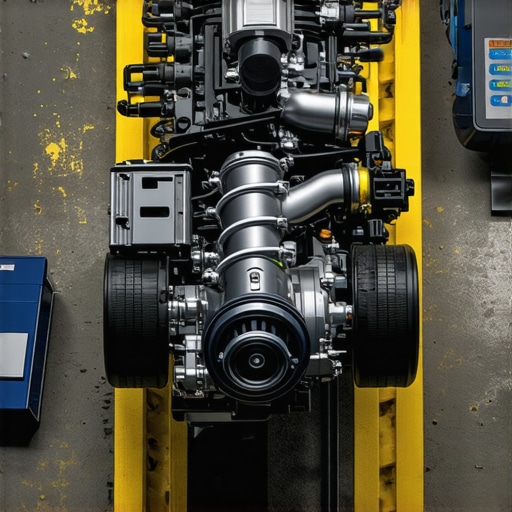
5 Clearautoglass Engine Repair Hacks for 2026 Turbo Models
It was a chilly morning, and I was just about…
Does Your 2026 Engine Repair Include This Vital Software Patch?
The Convergence of Silicon and Soda-LimeIn my twenty-five years as…