It was a chilly morning when my car suddenly screeched to a halt during my usual commute. The dashboard lights flickered, and a strange squealing noise echoed from the front wheels. My heart sank—I knew something was off, but the warning lights seemed to be contradicting what I was feeling. That day, I realized the old reliability of dashboard indicators wasn’t enough anymore. It was a lightbulb moment that made me question: are my safety alerts in 2026 trustworthy?
Why Relying Solely on Dashboard Warnings Can Be Dangerous
Since the widespread adoption of smart car technology, many drivers rely heavily on dashboard alerts. But here’s the truth—these warnings are not always accurate, especially with the complex software and sensors jammed into modern vehicles. I made the mistake early on of trusting my dashboard and ignoring subtle physical signs. Turns out, sensor glitches and software bugs can cause false alarms—or worse, missed critical issues. Understanding the real red flags, especially in brake systems, can keep you safe and save money. If you’re wondering whether your car’s indicators are trustworthy, you’re not alone. Many drivers face this dilemma, and experts suggest a more hands-on approach to vehicle diagnostics.
Is Relying on Dashboard Alerts Actually Worth the Hype?
My experience taught me to double-check. Would you be surprised to learn that some of the most critical brake issues don’t trigger dashboard warnings? That’s why I always encourage folks to learn the signs that your brakes are failing, beyond just what the computer suggests. A common mistake I made early on was neglecting even minor squeals or vibrations, dismissing them as normal wear. But as research indicates, small symptoms can evolve into costly repairs if ignored, especially with the advancements in brake system red flags in 2026.
So, in this post, I promise to help you recognize the subtle signs of brake trouble that the dashboard might overlook. Knowing how to spot these early indicators can be a game changer, ensuring your safety without relying solely on technology that can sometimes misfire. Ready to get hands-on and prevent that unexpected brake failure? Let’s dive into the warning signs you shouldn’t ignore.
Conduct a Hands-On Brake Inspection
Start by parking your car on a flat surface, engaging the parking brake, and chocking the wheels for safety. Remove the wheel to visually assess brake pads and rotors for uneven wear, cracks, or glazing. Feel the pads through the wheel opening; they should have at least 1/4 inch of material. If you notice thinning or uneven pads, it’s time for professional service.
Listen for Unusual Noises During Braking
During a safe, slow stop, listen for squealing, grinding, or clicking sounds. For example, I once noticed a persistent squeal during my commute; upon inspection, I found worn brake pads with exposed metal, which the dashboard sensors failed to flag. These sounds are early warning signs that brake components are failing and need immediate attention.
Feel for Vibrations and Pedal Feel
Pay attention to vibrations or pulsing in the brake pedal, especially during moderate to hard braking. A firm pedal without much resistance or a spongy feel can indicate air in the hydraulic system or warped rotors. I experienced a pulsing pedal that didn’t trigger any warning lights, prompting me to replace warped rotors before further damage occurred.
Check Brake Fluid Condition
Open your hood and inspect the brake fluid reservoir. The fluid should be clear or slightly golden; dark or cloudy fluid suggests contamination or old fluid. Contaminated fluid diminishes braking performance and can cause overheating. During my last oil change, I included a brake fluid flush, which improved pedal response and reduced squeaks.
Examine Brake System Components
Look for leaks or damaged hoses around the brake calipers and master cylinder. Also, verify that the brake lines are free from corrosion or cracks. In one case, a small leak was bypassed by the system, but it kept causing subtle pedal softness that went unnoticed until I faced a complete brake failure.
Consult a Professional if Unsure
If any signs point to brake issues but you’re not confident in your skills, schedule a professional inspection. Mechanics use digital diagnostics and expert tools, similar to engine diagnostics for peak performance, to identify problems that aren’t visible to the naked eye. Regular, proactive checks can prevent costly repairs and ensure safety on the road.
Many drivers assume that routine inspections and basic repairs are enough to keep their vehicles running smoothly, but the reality is more nuanced. A common misconception is that sticking to manufacturer-recommended intervals guarantees optimal performance. However, modern vehicles operate with complex systems and sensors that require more sophisticated diagnostics. For example, relying solely on a standard oil change schedule without considering oil quality, contamination, or filter condition can lead to engine damage—even if the oil was changed on time. Advanced vehicles, especially hybrids and EVs, demand tailored maintenance approaches, including software updates and sensor calibrations, which many overlook. According to automotive expert analyses, neglecting these nuanced needs can prematurely accelerate component wear and compromise safety. Moreover, many think that cheap replacement parts suffice; in truth, quality components and proper installation are critical to prevent failures. For instance, a poorly fitted brake rotor or an aftermarket sensor that isn’t calibrated can cause uneven wear or sensor failures, undermining safety. Some drivers also fall prey to the myth that brake pads last forever, but in reality, regular checks for uneven wear or glazing can reveal early signs of degradation, preventing costly repairs later. Advanced mistakes also include neglecting software updates—an often-overlooked aspect—as vehicle systems continually evolve, and outdated software can impair critical functions like anti-lock brakes or stability controls. Being proactive and understanding the fine details of today’s car maintenance can save you money and keep you safe on the road. For comprehensive insights, check out expert guides on engine diagnostics and maintenance routines tailored for 2024 and beyond. Have you ever fallen into this trap? Let me know in the comments.
Investing in Reliability: Tools I Trust for Long-Term Car Care
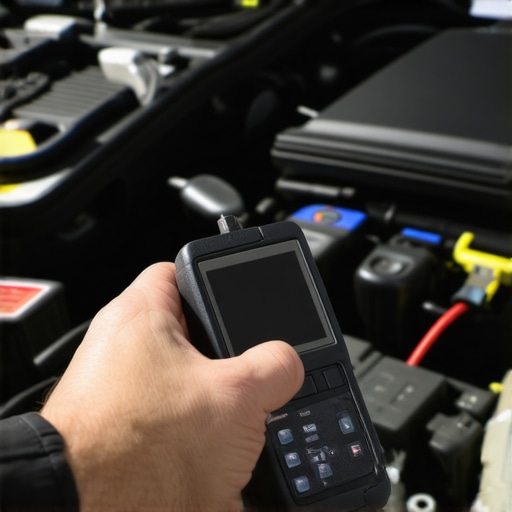
Maintaining your vehicle’s peak performance over the years requires more than just routine visits to the mechanic. Having the right tools at home can make early diagnostics and minor repairs straightforward, saving you money and preventing unexpected breakdowns. I personally recommend starting with a high-qualityOBD-II scanner like theengine diagnostics device. This tool allows me to read and clear diagnostic trouble codes, especially those elusive engine or sensor issues that often go unnoticed but can cause significant damage if left unchecked.
Pair the scanner with a reliable digital multimeter to evaluate electrical components, ensuring sensors, relays, and circuits are functioning properly. I use my multimeter monthly to verify the health of critical systems, especially before an oil change or engine repair. It’s crucial to keep your vehicle’s electronic systems in check, considering that a misreading sensor can lead to faulty brake calibration issues.
For physical inspections, a set of precision screwdrivers, a torque wrench, and a brake pad gauge are indispensable. I rely on a torque wrench to ensure bolts—including those securing wheels and brake components—are tightened to manufacturer specs, preventing damage or safety risks. Additionally, a dedicated brake pad gauge helps me monitor wear and plan for replacements proactively, avoiding emergency repairs.
Combining these tools with a solid understanding of vehicle systems enables me to perform routine maintenance like oil changes and brake inspections effectively. For example, knowing how to interpret your oil quality and spot early signs of metal wear during an oil change using simple visual and tactile checks can extend engine longevity. If you’re unsure about your oil’s condition, consider consulting professional fluid services for peace of mind.
Boost Your Car Maintenance Routine for the Future
Looking ahead, vehicle technology is rapidly advancing, with predictive diagnostics and integrated sensor networks becoming standard. This trend suggests that investing in smart diagnostic tools now will give you an edge, letting you address issues before they escalate. Expect automotive software updates and sensor calibrations to become more frequent yet crucial—so staying equipped and informed is a smart long-term move. For instance, regularly scanning your vehicle’s systems with an advanced OBD-II device and staying current with sensor calibration techniques will support safer, more reliable driving in the years to come.
Don’t wait until a warning light pops up with a costly surprise. Start practicing this proactive approach now—subscribe to updates on key diagnostics and maintain your tools to ensure your vehicle remains dependable over time. Remember, successful long-term maintenance isn’t just about repair — it’s about prevention and being prepared for whatever the road throws at you. Try calibrating your brake sensors this month for an immediate upgrade in safety and performance!
Lessons From My Brake Service Wake-Up Call
The hardest lesson I learned about brake service,car service,oil change,engine repair,clearautoglasss was realizing that modern vehicle alerts, no matter how sophisticated, can never replace a cautious driver’s intuition. I once dismissed a small vibration as normal, only to face costly repairs later. Trust your senses over alarms sometimes.
Tools That Keep Me Ahead of Problems
My essential toolkit for car maintenance includes a high-quality OBD-II scanner and a digital multimeter, which I rely on for quick diagnostics and electrical checks. These tools have enabled me to catch issues early, especially sensor glitches that can cause false warnings, as discussed in the engine diagnostics guide.
Seize Safe Driving: Don’t Wait for Warnings to Speak
The future of car maintenance is about proactive care, not reactive fixes. Regularly inspecting your brakes, fluids, and sensors—even when no warning signs appear—can save you money and prevent accidents. Start calibrating your sensors and performing visual checks today; your safety depends on it. Are you ready to take control of your vehicle’s health and avoid surprises on the road? Share your experiences or questions below, and let’s keep each other safe!
Related Posts

5 Brake Service Mistakes Tripping 2026 Collision Sensors
There was a moment last summer when I pressed the…
3 Brake Service Faults That Trip 2026 Safety Sensors
I vividly remember the first time my brake warning light…
Best Brake & Oil Change Tips for Safer Driving 2024
Ever been caught off guard by a squealing brake or…