It was a chilly morning when I first realized something was wrong with my car’s braking system. As I pressed the pedal, it felt softer than usual, and I couldn’t help but worry. In that moment, I understood how critical reliable brakes are for my safety—and yours too. That lightbulb moment made me rethink my approach to auto maintenance and the importance of expert brake services to keep us safe on 2024 roads.
Protect Your Journey: Why Brake Safety Should Never Be an Afterthought
Every driver faces the same challenge: how to stay safe without constantly worrying about vehicle failures. It’s easy to overlook the significance of regular brake inspections until an emergency strikes. From my experience, neglecting this crucial component can turn a minor issue into a major accident. That’s why I advocate for proactive brake maintenance, especially as vehicles age and road conditions vary.
Is Worrying About Brake Failures Really Warranted?
I used to dismiss the idea that something as simple as a brake fluid change could make a tangible difference. Early on, I made the mistake of thinking that brakes would last indefinitely without much attention. But I quickly learned that ignoring signs like squeaking or reduced responsiveness can be risky. In fact, according to the National Highway Traffic Safety Administration, proper brake maintenance can prevent countless accidents each year. Don’t wait for warning signs—regular checkups with experts ensure your safety is never compromised. Curious whether your brakes need an overhaul? Read more about professional brake repair strategies for 2024 and stay ahead of potential failures.
Stay tuned as I walk you through simple, essential steps to keep your brakes in top shape. Your safety and peace of mind depend on it.
Inspect Your Brake System Regularly to Detect Early Issues
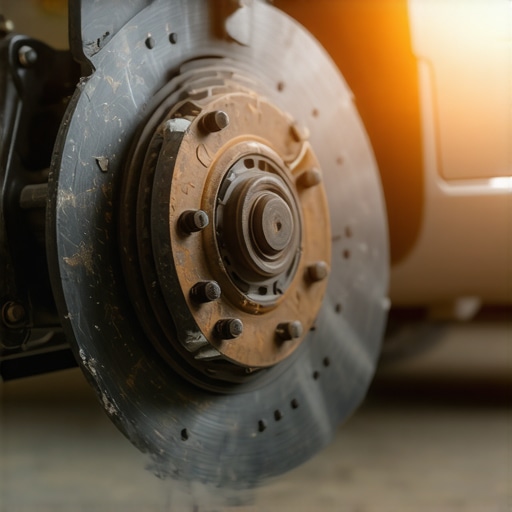
Start with a thorough visual inspection of your brakes every 10,000 miles or at least twice a year. Remove the wheels and examine the brake pads for thickness—if they’re worn down to less than a quarter-inch, it’s time for replacement. Check the rotor surface for grooves or rust, which can impair braking efficiency. During my last inspection, I caught uneven pad wear early, preventing a costly brake repair later. Regular inspections help identify issues before they escalate.
Test Brake Responsiveness and Listen for Warning Signs
Before hitting the road, gently press the brake pedal in a safe environment to assess responsiveness. A sponge-like feel indicates air in the lines or fluid degradation. Listen for squeaking or grinding sounds while braking—these noises often point to worn pads or debris lodged between pad and rotor. Remember, the moment you notice reduced braking power or unusual noises, schedule a professional service. For more detailed diagnostics, check out auto maintenance tips.
Replace Brake Pads and Rotors When Necessary
When pads are worn out, replace them promptly to prevent rotor damage. If rotors are scored, warped, or cracked, they need replacing—skipping this step diminishes braking performance significantly. During my experience, I replaced worn pads and resurfaced the rotors simultaneously, which improved my stopping distance and pedal feel. Use quality parts to prolong the lifespan of your brakes and ensure safety.
Step-by-step: How to Change Brake Pads
Lift your car securely using a jack, then remove the wheel. Use a wrench to detach the caliper bolts, carefully slide the caliper off, and remove the old pads. Compress the caliper piston with a brake caliper piston tool, then install new pads and reassemble. Always bleed the brake lines after replacing pads to eliminate air bubbles, which can impair brake pressure. For an in-depth tutorial, visit professional brake repair strategies. My first time doing this alone was messy and took longer than expected, but the safety gains were worth it.
Service Brake Fluid for Reliable Performance
Brake fluid attracts moisture over time, diminishing its ability to transfer force effectively. Every 20,000 to 30,000 miles, replace your brake fluid to prevent brake fade and corrosion. Use the correct type—DOT 3, DOT 4, or DOT 5.1—specified by your vehicle’s manufacturer. During my recent oil change, I included a brake fluid flush, which restored pedal firmness. For optimal safety, consider having a professional do this, especially if the fluid is dark or contaminated. Learn more at brake oil change tips.
Be Proactive with Professional Brake Services
Routine maintenance isn’t complete without expert service. Mechanics can perform comprehensive inspections, replace components, and ensure your braking system functions flawlessly. My last visit to a trusted auto shop resolved issues I couldn’t identify myself, reaffirming the importance of professional care. Schedule regular checkups—think of it as preventive medicine for your car’s safety. For trustworthy service providers, review top repair strategies and keep your brakes in peak condition.
Many drivers believe that car service is a straightforward task, but the reality is more complex and nuanced. One common misconception is thinking that regular oil changes alone guarantee the health of your vehicle. In reality, neglecting components like brake systems and engine diagnostics can lead to costly repairs down the line. For instance, relying solely on mileage intervals without considering driving habits or environmental factors can cause you to miss critical signs of wear and tear. Advanced diagnostics, as discussed in engine repair diagnostics, reveal hidden issues that simple inspections might overlook. Let’s dig deeper into some of these misconceptions around car maintenance.
Many assume that cheap parts and temporary fixes are sufficient for long-term safety, but this is a dangerous trap. Using subpar brake pads or delaying engine repairs can compromise safety and lead to more expensive repairs later. Professional services, like those offered by brake oil services, emphasize the importance of quality parts and proper timing. Also, a common slip-up involves ignoring subtle warning signs, such as minor vibrations or unusual noises, which often indicate underlying issues that require expert attention. These overlooked signals can escalate quickly, emphasizing the value of proactive checks and maintenance.
For advanced car owners, understanding the intricacies of engine diagnostics can be transformative. Testing methods, such as computer-assisted scans and detailed visual inspections, help identify issues before they cause breakdowns. This approach aligns with the strategies outlined in auto service tips. Do not fall into the trap of assuming your vehicle is fine until it’s too late. Regular maintenance, combined with expert diagnostics, ensures safety and optimal performance.
Have you ever fallen into this trap? Let me know in the comments. Staying informed helps us all avoid costly mistakes and ensures our vehicles serve us well for years to come.
Keeping your vehicle in optimal condition requires more than just basic knowledge; it demands the right tools and a systematic approach. Over the years, I’ve refined my toolkit to include specific equipment that makes diagnostic and repair work efficient, accurate, and safe.
How do I maintain my vehicle’s performance over time?
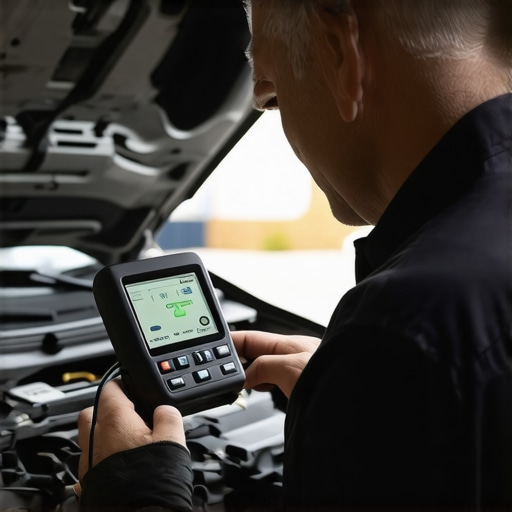
One of my go-to tools is the OBD-II scanner. I personally use the Innova 5170 because it offers comprehensive diagnostic capabilities, including code reading, live data, and freeze frame analysis. This device allows me to pinpoint engine problems swiftly, saving time and preventing minor issues from escalating. Additionally, I rely on a quality digital multimeter (like the Fluke 115) to check electrical systems—battery voltage, sensors, and wiring—ensuring everything functions correctly.
For brake maintenance, I prefer a set of break caliper piston tools and a bearing puller set. These tools help me service components accurately, especially when replacing pads or rotors. Quality hand tools along with a precision socket set are indispensable for disassembling and reassembling parts without damaging delicate components.
Beyond hardware, software plays an increasingly vital role. I utilize car-specific diagnostic software such as Autel Maxidas DS808, which provides factory-level insights and updates. This software makes it easier to interpret complex codes and tailor repair strategies efficiently.
In my experience, maintaining a clean workspace with dedicated containers for used fluids and parts extends the lifespan of your tools and keeps your work environment safe. Investing in a portable oil catch pan and a flashlight with adjustable beam greatly improves inspection accuracy, especially in tight engine bays.
What will the future of vehicle maintenance tools look like?
Looking ahead, I predict a rise in AI-powered diagnostic systems integrated directly into vehicle ECUs. These systems will provide real-time alerts and maintenance recommendations, making DIY repairs more accessible and precise. Moreover, advances in augmented reality (AR) glasses could assist mechanics and enthusiasts alike in visualizing complex repairs step-by-step, reducing errors and increasing safety.
For those eager to stay ahead, I recommend investing in high-quality diagnostic platform subscriptions and exploring how emerging technologies like AR can enhance your repair accuracy. A great starting point is exploring advanced methods outlined in engine repair diagnostics for 2024.
Try incorporating a modern OBD-II scanner combined with diagnostic software into your routine. It’s a game-changer that empowers you to identify issues early, plan repairs efficiently, and ultimately save money while ensuring your vehicle’s safety on every journey.
What I Wish I Knew Before My First Brake Repair
Initially, I underestimated the complexity of brake systems, thinking a simple pad replacement was enough. But the first time I faced warped rotors, I realized that attention to detail and understanding the full assembly could save me time, money, and potential danger. This lightbulb moment taught me the importance of regular professional inspections—don’t wait for squeals or vibrations to act.
Tools and Tips That Transformed My Maintenance Routine
Investing in quality diagnostic tools like the Innova 5170 scanner and a set of precision tools pushed my car maintenance from guesswork to precision. These resources, along with guides on auto service tips, helped me catch issues early and understand my vehicle better than ever. They’re worth every penny for DIY enthusiasts committed to safety.
Keeping My Cool When the Unexpected Happens
One of the most emotional lessons was realizing that even with regular maintenance, unexpected failures can occur. Moments like suddenly noticing a brake fluid leak reminded me that proactive checks—like replacing brake fluid every 20,000 miles—are vital. Adopting a mindset of continuous vigilance has kept me confident and calm on the road.
Where to Find the Best Knowledge and Support
Trusted resources have made a tangible difference. The comprehensive guides on auto maintenance and diagnostic insights from engine diagnostics in 2024 have shaped my understanding. When in doubt, trusting expert advice ensures safety isn’t compromised, especially with complex tasks like replacing rotors or bleeding brakes.
Related Posts
4 Reasons Your 2026 Brake Service Isn’t Stopping Squeaks
I remember the first time my brake squealed like an…
Why 2026 Brake Service Requires a High-Voltage Reset
The Convergence of Glazing and Kinetic EnergyFor twenty-five years, I…
Best Brake Service & Engine Repair Guide for Safer Driving 15:42
How I Discovered the Importance of Regular Brake and Engine…